Indigenous Fat Harvesting
Tuesday, September 9, 2025

Indigenous Fat Harvesting
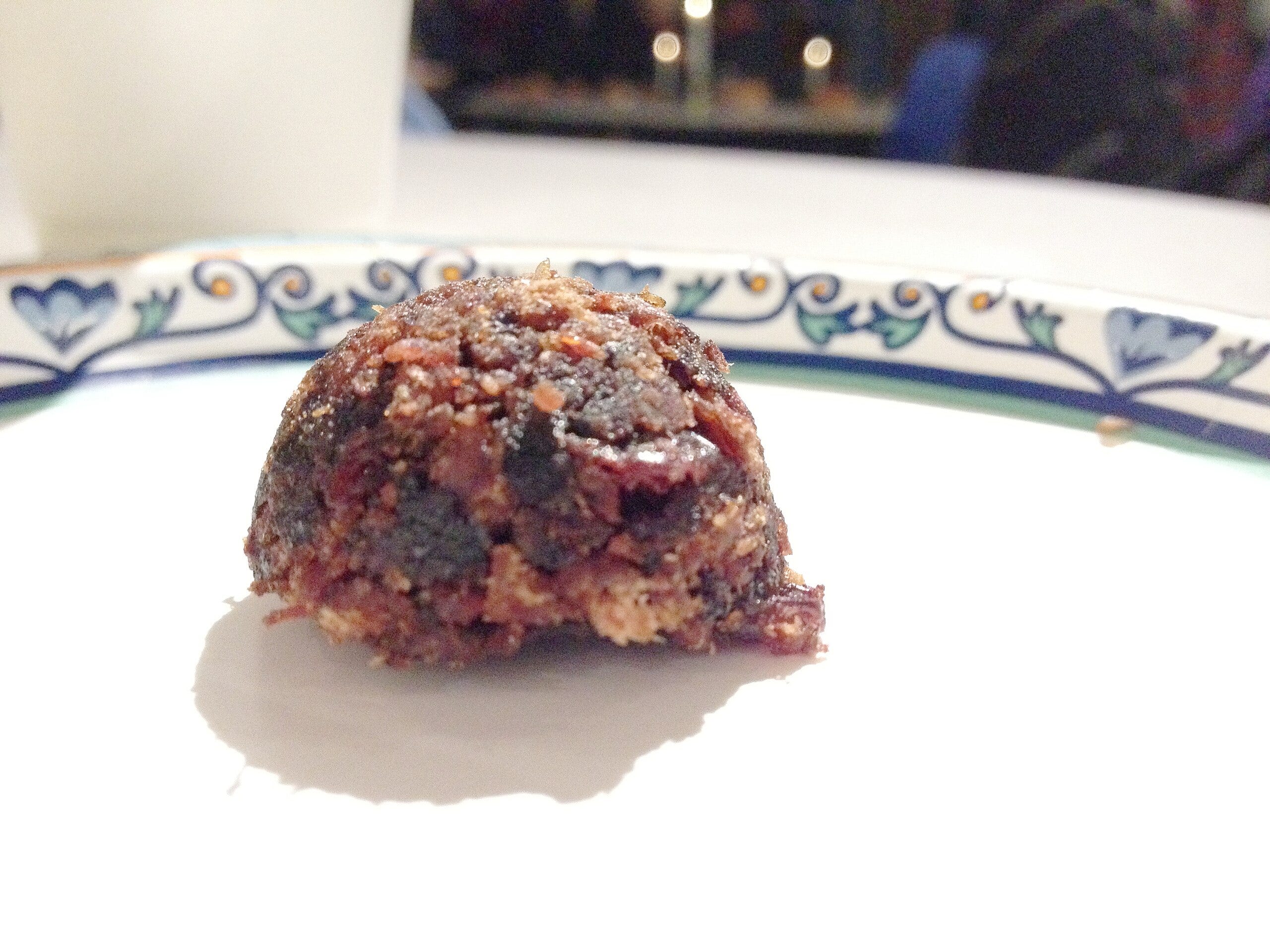

Last Thursday’s post was about an archeological discovery in Germany: that Neanderthals had what could be interpreted as organized food production. The discovery had to do with rendering or harvesting the fat from bone marrow found in large quarry animals.
The general idea reminded me of how Native American peoples would prepare animal fats to eat on the move. The finished product had different names, but what we’ve received in English is derived from the Crow language: “pemmican.” Pemmican was useful for travel, presumably for nomadic peoples, or for tribal big-game hunting parties tracking migratory species like the North American bison herds.
As with the Neanderthal archeology, North American finds dating back to as early as the zero AD indicate organized production. Artifacts include boiling pots and broken up animal bone shards showing stone-tool cut marks.
Pemmican was (and still is) produced by rendering animal fats—fats that are solid at room temperature (like bacon grease of beef tallow), drying the corresponding animal meat, and adding other ingredients such as wild berries or honey for enhanced flavoring. The end product has a long shelf-life. Versions produced on an industrial scale were issued as emergency rations to British soldiers in the Second Boer War (South Africa), and would keep for up to five years or more. Pemmican was valuable enough for Polar explorer Robert Peary to take along on his over-the-ice voyages in the late 1800s.
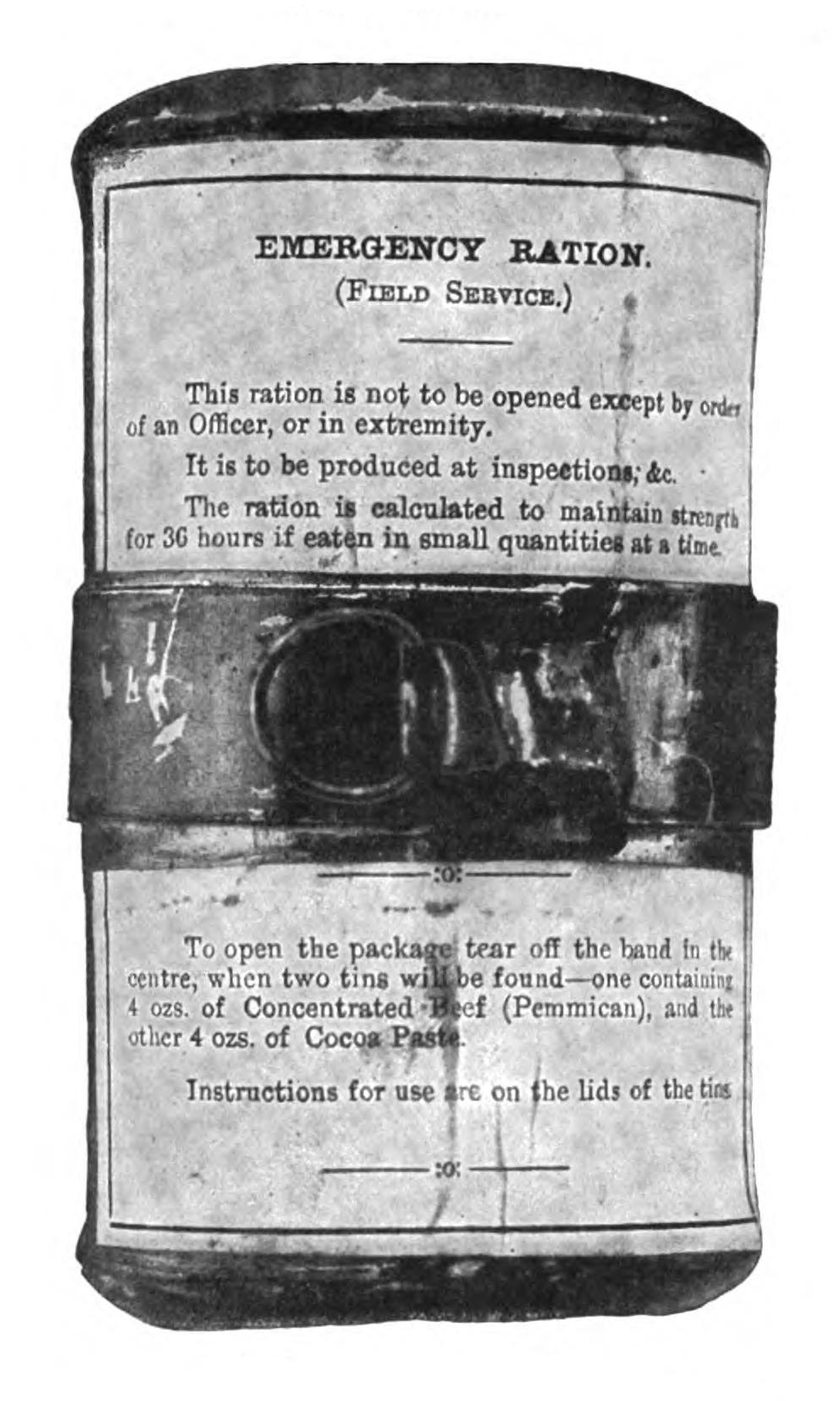

The Wikipedia page includes a good overview.
Charles C. Mann’s book 1491 also has sections describing pemmican and other preserved foods made by Native American tribal peoples. These foods included acorns from the extensive native oak forests, managed by the aboriginal peoples. To my knowledge, oak nuts are not an easy food to prepare for safe human consumption. It would be one of the many bits of hard-won cultural knowledge that took generations to produce, but were forever lost to the catastrophic plagues introduced post-Columbus.
It would hardly be accurate to claim the existence of pemmican settled the issue of our natural human diet once and for all. Yet it does lend support to the belief that our species is (or was) by nature carnivorous. The truth is shrouded in a lot of passion among researchers and activists—groups that frequently overlap—with their own firm convictions about vegetarianism, animal health and animal husbandry, and the science of longevity.
Good morning, my dears. My husband and I are having coffee by the campfire 🔥 while the youth complain about having to get up.
"Why are you calling us at (horror voice) 6:40!?!"
"Because if I called you half an hour from now, it would still take you half an hour to get moving, and then we'd be running late."
The only bad thing that happened yesterday was a raccoon got in the trash bag. We didn't expect that in mid-afternoon!
I gotta disagree with the Native American tribe people; making a meal out of acorns is nuts!